
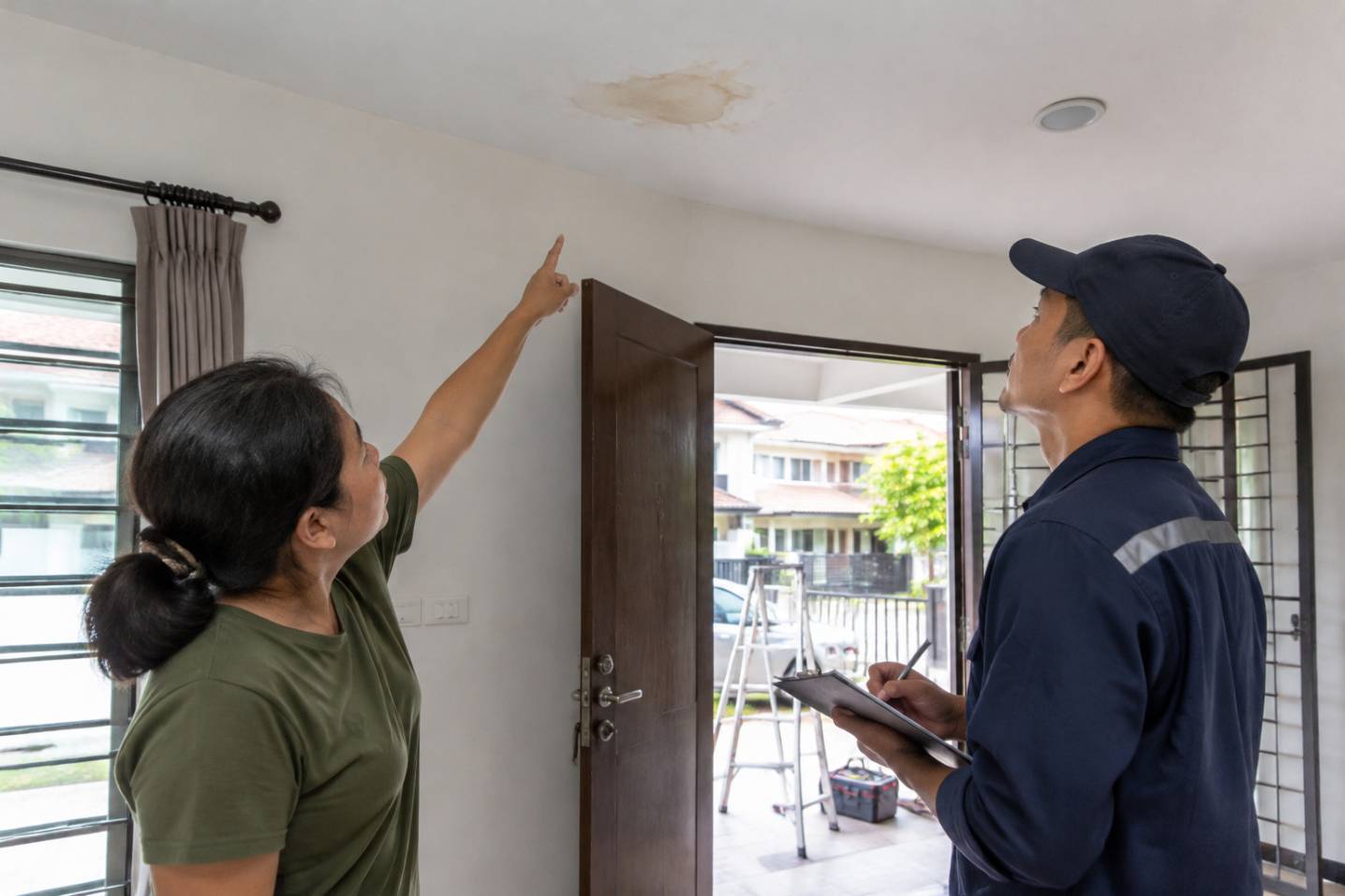
A leaking roof can quickly become stressful, particularly when water begins appearing on ceilings or walls during heavy rain. At that point, many homeowners immediately search online for a roof leak contractor near me and contact the first company they find.
However, choosing a contractor should involve more than simply finding someone nearby.
The right contractor should be able to inspect the problem carefully, identify where the water is entering and recommend a repair that suits the actual condition of your roof. Before you make the call, here are several things worth checking.
Look for Experience With Different Types of Roof Leaks
Roof leaks do not always have the same cause.
Water may enter because of cracked roof tiles, loose flashing, deteriorated sealant, rusted metal roofing, damaged waterproofing or poorly functioning gutters. In some cases, the visible water stain inside the house may be located some distance from the actual entry point.
When searching for a roof leak contractor near me, look for someone experienced with different roofing systems and leakage situations.
A contractor familiar with tiled, metal and flat roofing will be better positioned to inspect the roof and determine what type of repair may be required.
If you are unsure what type of roofing problem you have, learning about common roofing problems homeowners should fix early can also help you recognise some of the warning signs before arranging an inspection.
Check Whether They Inspect Before Recommending a Repair
Be cautious when a repair solution is suggested before the roof has been properly examined.
A professional contractor should first try to understand:
- Where the water appears inside the property
- When the leak normally occurs
- Which roof area may be affected
- Whether previous repairs have been carried out
- The condition of surrounding roofing materials
A proper inspection helps separate the visible symptom from the actual cause.
For example, simply sealing the area above a ceiling stain may not solve the problem if rainwater is entering from another roof joint and travelling underneath the roofing material.
Professional roofing services should therefore begin with identifying the source before deciding on the repair method.
Ask How They Plan to Find the Leak Source
One useful question to ask a contractor is: “How will you determine where the leak is coming from?”
Roof leaks can sometimes be straightforward, such as an obviously broken tile. Others may require closer inspection around roof valleys, flashing, joints, screws or waterproofed surfaces.
A contractor should be able to explain what they will inspect and why.
You do not need a highly technical explanation. What matters is that the contractor has a logical process for locating the problem rather than immediately applying sealant to whichever area looks suspicious.
Make Sure the Recommended Solution Matches the Problem
Not every leak requires the same repair.
Depending on the cause and condition of the roof, the solution could involve replacing damaged tiles, resealing joints, repairing flashing, fixing roofing sheets or improving waterproofing.
When Waterproofing May Be Needed
If water is entering through concrete surfaces, flat roofs or deteriorated waterproofed areas, roof waterproofing may be part of the solution.
However, waterproofing should not automatically be applied to every leaking roof. The cause needs to be identified first so the correct treatment can be selected.
When Roofing Materials Need Repair
For tiled or metal roofs, the problem may be directly related to damaged roofing materials, fasteners or joints.
A good contractor should explain why a particular solution is being recommended instead of treating every leak in the same way.
Find Out Whether Gutters Are Part of the Problem
Sometimes what appears to be a roof leak is connected to poor rainwater drainage.
Blocked, leaking or incorrectly positioned gutters may cause water to overflow near the roof edge, fascia or wall. During heavy rain, this can contribute to moisture entering areas around the building.
When speaking with a roof leak contractor near me, mention any signs such as:
- Gutters overflowing during rain
- Water running down exterior walls
- Sagging gutter sections
- Leaking gutter joints
- Water collecting near roof edges
If drainage appears to be contributing to the problem, roof gutter installation and repair may need to be considered together with the roofing work.
Ask for a Clear Explanation of the Quotation
Price is naturally an important consideration, but choosing a contractor based only on the cheapest quotation can make comparison difficult.
Before accepting a quote, check what work is actually included.
A useful quotation should make it reasonably clear what area will be repaired, what materials or repair method will be used and whether additional work may be required if hidden damage is discovered.
If two contractors provide very different prices, compare the scope of work rather than looking only at the total amount.
This helps you understand whether you are actually comparing similar repair solutions.
Consider Whether the Roof Needs More Than a Small Repair
A localised leak can often be repaired without replacing the entire roof.
However, an older roof may have several deteriorated areas at the same time. If there are widespread damaged tiles, extensive corrosion, repeated leakage or multiple previous repair attempts, another small patch may not always be the most practical approach.
In these situations, ask the contractor to explain whether continued repair remains suitable or whether roof replacement should eventually be considered.
A reliable contractor should recommend the solution based on the roof condition rather than automatically suggesting the largest job.
Pay Attention to Communication Before the Work Starts
The way a contractor communicates before starting the job can tell you a lot about how the project may be handled.
A professional roofing contractor should be willing to explain the problem, answer reasonable questions and clarify the proposed repair.
Before proceeding, you should understand:
- What problem has been identified
- Which area will be repaired
- What repair method is proposed
- Whether there are possible additional issues
- What the quotation includes
Clear communication reduces misunderstandings once the work begins.
Avoid Choosing Based on “Near Me” Alone
Searching for a roof leak contractor near me is useful because local contractors may be familiar with homes and roofing conditions in your area.
But distance should not be your only deciding factor.
Consider the contractor’s roofing experience, inspection approach, proposed solution and clarity of quotation together.
A contractor located slightly farther away who carefully diagnoses the problem may be a better choice than someone nearby who immediately suggests a temporary patch without identifying the source.
What Information Should You Give the Contractor?
You can also make the inspection easier by providing useful information before or during the visit.
Tell the contractor:
- When you first noticed the leak
- Whether it happens during every rain or only heavy rain
- Where water appears indoors
- Whether the roof was repaired previously
- Whether the leak has become worse over time
Photos of the affected ceiling or wall can also help show how the problem develops.
Avoid climbing onto the roof yourself, especially when surfaces are wet or difficult to access. Roof inspection is safer when handled by someone with the appropriate experience and equipment.
Choose a Roof Leak Contractor Who Looks for the Cause
Finding a roof leak contractor near me should not simply be about locating the closest or cheapest service.
The more important question is whether the contractor takes the time to identify the source of the leak and recommend a repair suitable for your roof.
Look for experience, proper inspection, clear communication and a quotation that explains what work will be carried out.
If water is already entering your property or you have a roof leak that keeps returning, you can contact Pro Home for a roof inspection to determine the affected area and discuss the appropriate repair solution.